New here? Take 60 seconds.

First, pick your path

Hand lettering is drawing letters.
Calligraphy is writing them.

Two related but very different crafts — almost everybody arrives confusing them.
Here’s the difference in one glance, then the exact place to start.

Written

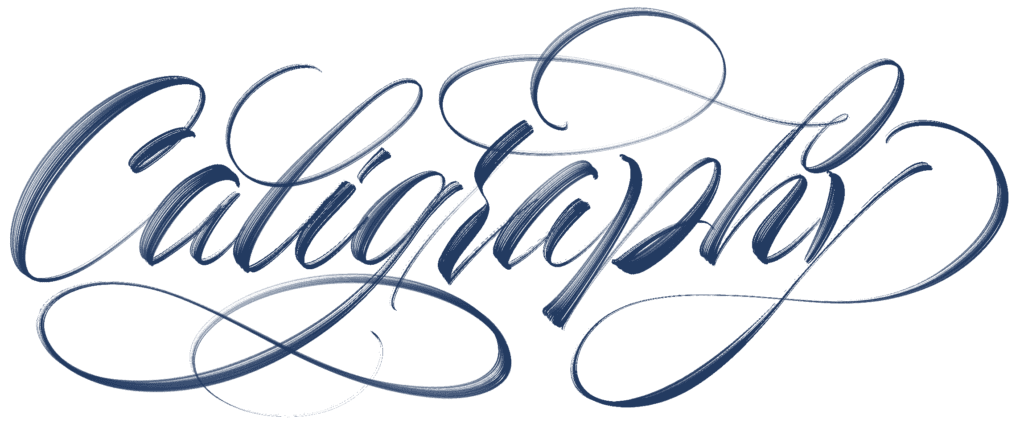
Calligraphy

You write each letter in single, committed strokes. Pressure and angle create the thick–thin contrast — there’s no going back over a stroke.
  • One stroke at a time, in a fixed order
  • Thick downstrokes, hairline upstrokes
  • Tool-driven: pointed pen, broad nib, brush pen
  • Best for invitations, envelopes, formal work

Drawn

Hand Lettering

You build each letter like a small illustration — sketch, refine, outline, fill. Any tool works: pencil, brush pen, marker, iPad.

  • Letters are constructed, not written in one go
  • Erase, redraw, tweak until it’s right
  • No special nib or ink needed to start
  • Best for logos, quotes, murals, packaging

Still curious about the technical details, history and tools? Read the full breakdown — it’s the deep dive version of this page.
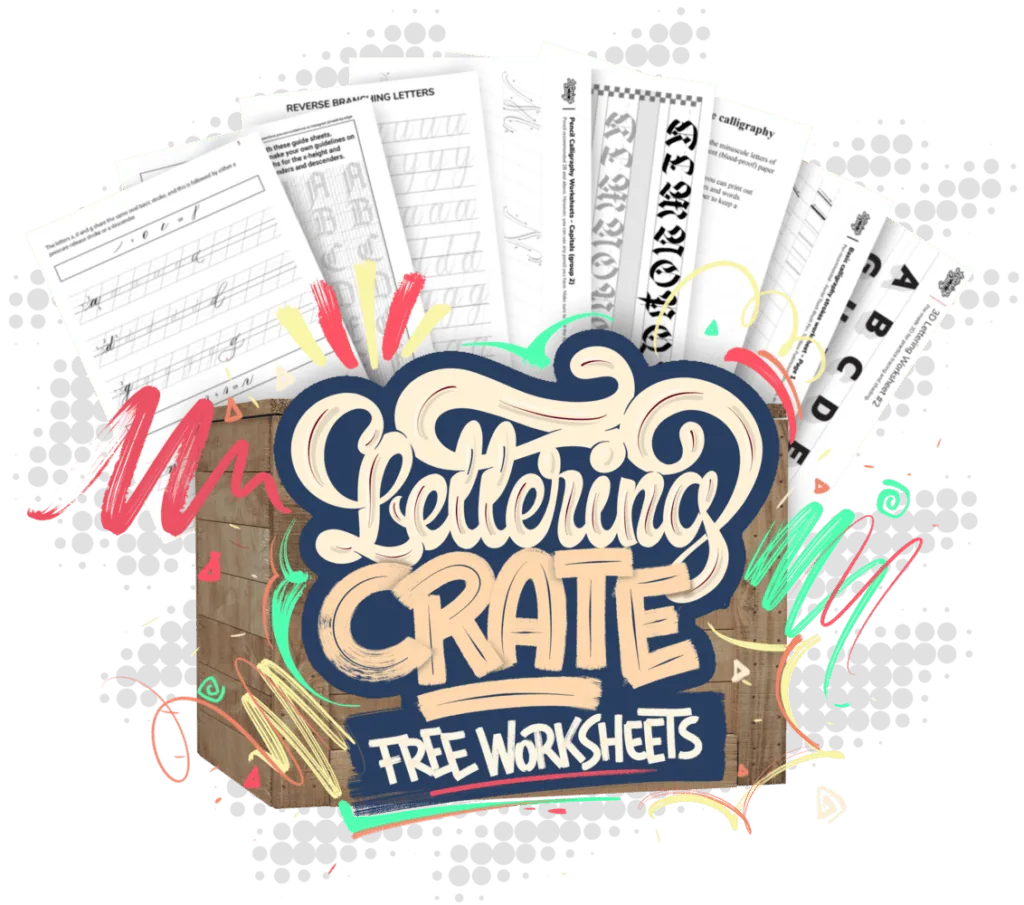
Your free lettering toolkit is waiting!

Sign up and get FREE instant access to the Lettering Crate –
  • Calligraphy practice sheets
  • The Lettering Sketleton Cheatsheet
  • Procreate brushes
  • Printables, and more!

Before you get started

A Few Beginner Questions


To get started, follow these three steps:

1. Choose your path.
Decide whether you’re more interested in hand lettering or calligraphy, then find a style that excites you. Having a clear direction makes everything else much easier.

2. Find the right resources.
Get learning materials that actually teach the style you’re interested in, along with the right tools to practice it. Not every pen, nib or brush works for every style.

3. Build an effective practice routine.
A structured 10-minute practice session every day will get you much further than randomly scribbling for two hours once a week. Consistency and focused practice are what move you forward.

You don’t need a studio full of expensive supplies. Start with a few basic tools and some paper, then build from there. Here are the tools I recommend for beginners →

No. Lettering & calligraphy are skills you can learn. You don’t need naturally beautiful handwriting or a talent for drawing — you need the right fundamentals and consistent practice.

More questions? Read the full FAQ →

GET BETTER AT LETTERING, ONE THURSDAY AT A TIME.

Every Thursday, I share practical lettering tips, creative exercises, interesting resources, and things I’ve learned from 11+ years of doing this professionally.
Something useful to learn. Something fun to practice. A detail that helps you see letters differently.

Free every Thursday. Unsubscribe anytime.